Korean saves its best grammar plot twist for the clock: hours and minutes use two different number systems in the same breath. 3:30 is 세 시 삼십 분 — native Korean 세 for the hour, Sino-Korean 삼십 for the minutes. Once you can tell time, you’ve officially mastered both counting systems where they collide.
The Formula
[native number] 시 + [Sino number] 분 hour (si) + minutes (bun)
If you need the two-systems refresher first: Korean numbers guide.
Hours: Native Numbers + 시
Remember that native numbers shorten before counters (하나 → 한):
| Time | Korean | Romanization |
|---|---|---|
| 1 o’clock | 한 시 | han si |
| 2 o’clock | 두 시 | du si |
| 3 o’clock | 세 시 | se si |
| 4 o’clock | 네 시 | ne si |
| 5 o’clock | 다섯 시 | daseot si |
| 6 o’clock | 여섯 시 | yeoseot si |
| 7 o’clock | 일곱 시 | ilgop si |
| 8 o’clock | 여덟 시 | yeodeol si |
| 9 o’clock | 아홉 시 | ahop si |
| 10 o’clock | 열 시 | yeol si |
| 11 o’clock | 열한 시 | yeolhan si |
| 12 o’clock | 열두 시 | yeoldu si |
Minutes: Sino Numbers + 분
| Minutes | Korean | Romanization |
|---|---|---|
| :05 | 오 분 | o bun |
| :10 | 십 분 | sip bun |
| :15 | 십오 분 | sibo bun |
| :20 | 이십 분 | isip bun |
| :30 | 삼십 분 or 반 | samsip bun / ban |
| :45 | 사십오 분 | sasibo bun |
| :50 | 오십 분 | osip bun |
반 (ban, “half”) is the everyday :30 — 세 시 반 = half past three.
“Before the hour”: ~분 전 (bun jeon) = minutes before. 두 시 십 분 전 = ten to two.
Pronunciation watch: 십 분 is spoken [십뿐] — tensification — and 몇 시 (“what time”) is [멷씨]. Time expressions are a sound-change rule sampler pack.
AM, PM, and the Parts of the Day
Time markers come before the time:
| Korean | Meaning | Example |
|---|---|---|
| 오전 | AM | 오전 아홉 시 — 9 AM |
| 오후 | PM | 오후 세 시 — 3 PM |
| 아침 | morning | 아침 일곱 시 — 7 in the morning |
| 저녁 | evening | 저녁 여섯 시 — 6 in the evening |
| 밤 | night | 밤 열한 시 — 11 at night |
| 새벽 | dawn/late night (1–5 AM) | 새벽 두 시 — 2 AM |
새벽 deserves a note: it’s the K-drama hour — texts sent 새벽 세 시에 carry the same “this is serious” weight as a 3 AM call in English.
Schedules, tickets, and phones also use 24-hour time in writing (15:30), but people say 오후 세 시 반.
Asking and Answering
지금 몇 시예요? — What time is it now? 오후 두 시 반이에요. — It’s 2:30 PM. 몇 시에 만날까요? — What time shall we meet? 일곱 시에 만나요. — Let’s meet at 7.
Note the particle 에 after times (“at”) — same particle as dates and days of the week; details in the particles guide.
Real-World Reading Drill
Korean daily life is full of time text. Try reading these at a glance:
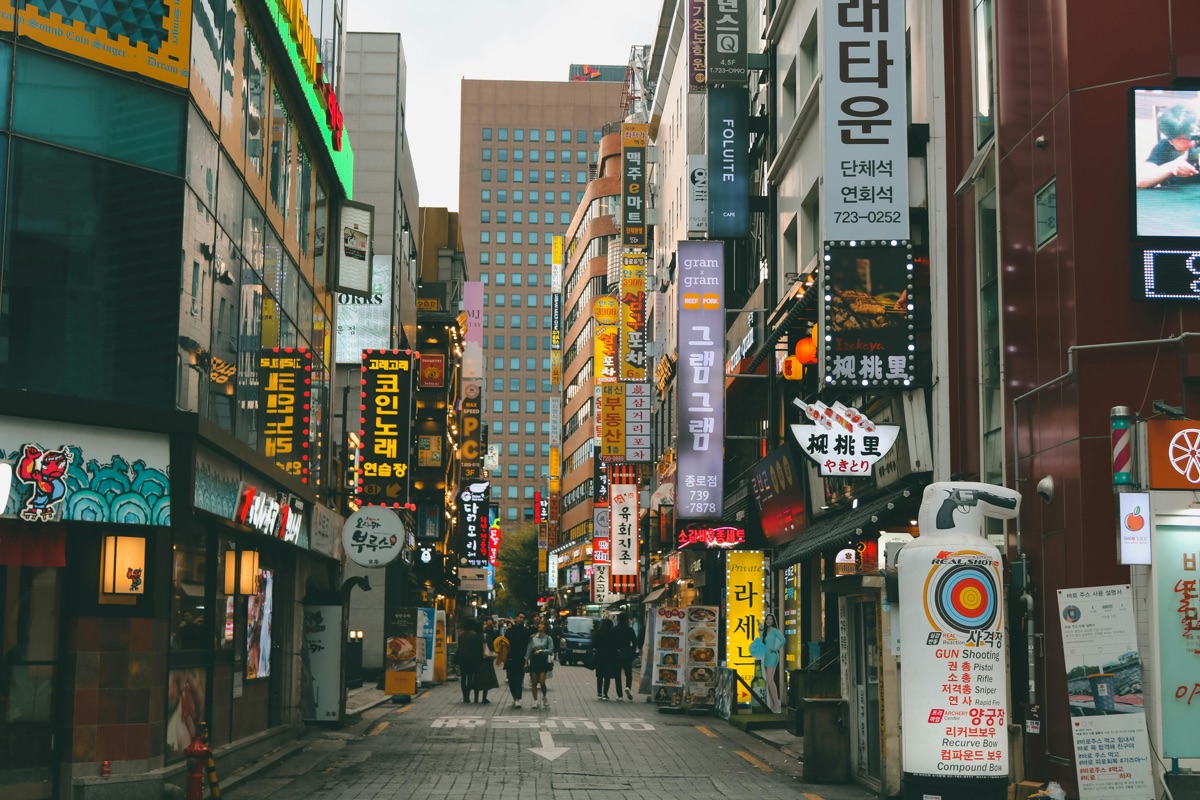
영업시간: 오전 10시 – 오후 9시 — Hours: 10 AM – 9 PM 다음 열차: 14:35 — Next train: 14:35 수업은 세 시 반에 시작해요. — Class starts at 3:30. 새벽 한 시까지 공부했어요. — I studied until 1 AM.
This is exactly the “numbers in the wild” skill from our reading practice exercises — schedules and signs are perfect daily drill material because the payoff is immediate.
Time-telling is the graduation exam for Korean numbers: both systems, counters, particles, and sound changes in one everyday skill. Round it out with months and the numbers & time hub, or make 세 시 삼십 분 read as fast as “3:30” with Batchim’s speed drills.