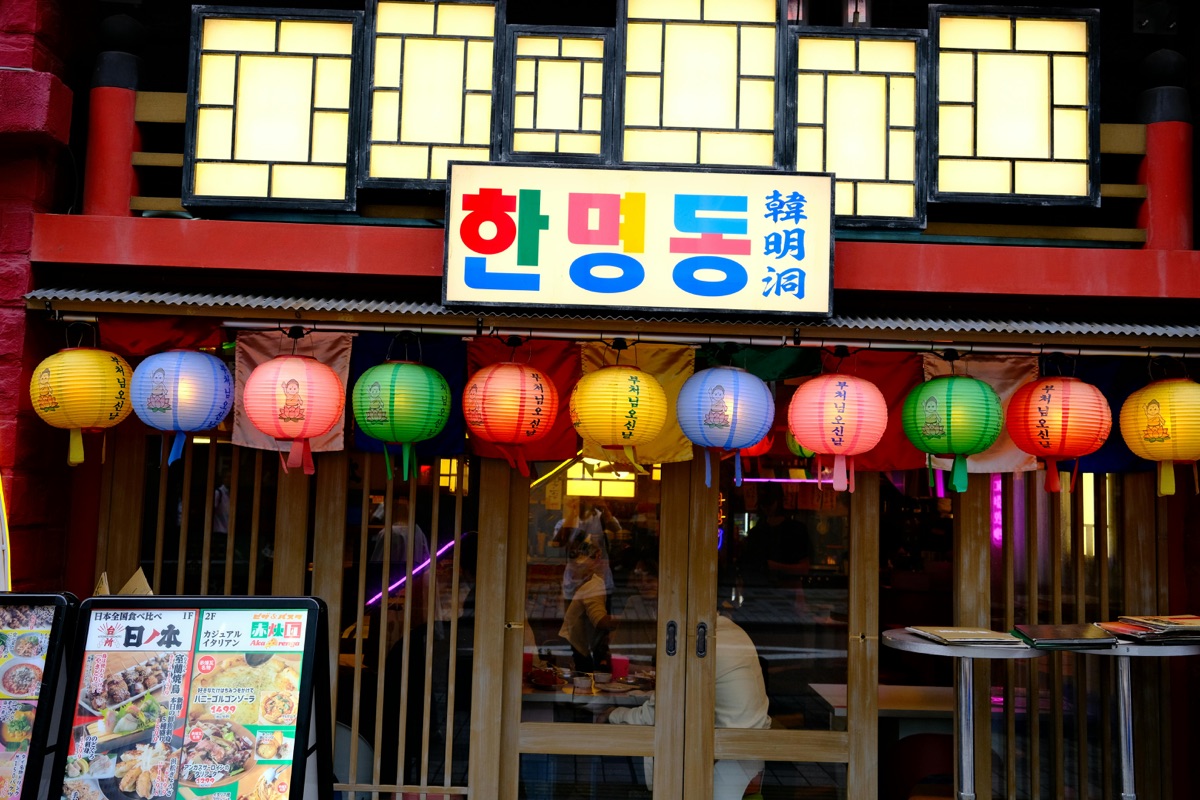
Learning to greet someone is the first step in any language journey. If you’re wondering how to say hi in Korean, you’re not alone—this is one of the most searched Korean phrases for good reason.
The good news? Korean greetings are straightforward once you understand when to use formal versus casual language. Let’s break it down.
The Two Main Ways to Say Hi in Korean
안녕하세요 (Annyeonghaseyo) - Formal “Hello”
This is the standard, polite way to greet anyone in Korean. Use it with:
- People you’ve just met
- Anyone older than you
- Colleagues, teachers, or customers
- Formal situations (job interviews, meetings)
Pronunciation tip: Break it down as “ahn-nyeong-ha-se-yo” with emphasis on the “ha” syllable.
Example conversation:
| Korean | Romanization | English |
|---|---|---|
| 안녕하세요! | Annyeonghaseyo! | Hello! |
| 만나서 반가워요. | Mannaseo bangawoyo. | Nice to meet you. |
안녕 (Annyeong) - Casual “Hi”
This is the informal version used with:
- Close friends your age
- Younger siblings
- People you’re very comfortable with
Important: Using 안녕 with someone you should respect (like a teacher or stranger) is considered rude.
When in doubt? Always use 안녕하세요. It’s never wrong to be polite in Korean culture.
Why Does Korean Have Formal and Casual Forms?
Korean culture places huge importance on social hierarchy and respect. The language reflects this through different speech levels called 존댓말 (jondaenmal) for formal speech and 반말 (banmal) for casual speech.
Think of it like the difference between “Hello, sir” and “Hey dude” in English—but much more important in Korean.
Common Mistakes to Avoid
❌ Using 안녕 with older people or strangers
Even if they seem friendly, wait for them to tell you to use casual speech.
❌ Pronouncing it as “any-yong”
The correct sound is closer to “ahn-nyeong” with a soft ‘n’ at the start.
❌ Not responding appropriately
If someone greets you with 안녕하세요, respond with the same level of formality.
How to Pronounce “Hi” in Korean Correctly
Many learners struggle with Korean pronunciation at first. Here’s how to nail the two main greetings:
Pronouncing 안녕하세요 (Annyeonghaseyo)
Break it into syllables:
- 안 (an) - Like “on” in “ongoing”
- 녕 (nyeong) - The ‘ny’ sound like “canyon”
- 하 (ha) - Simple “ha”
- 세 (se) - Like “say”
- 요 (yo) - Like “yo” in English
Common mistakes:
- ❌ “Any-yong-ha-say-yo” (too separate)
- ✅ “Ahn-nyuhng-ha-se-yo” (smooth, connected)
The key is making it flow together naturally, not pronouncing each syllable separately.
Pronouncing 안녕 (Annyeong)
This is just the first two syllables:
- 안녕 (ahn-nyeong)
Think of it like “on-young” but softer, with the ‘ny’ blending together.
Pro tip: Listen to K-dramas and try to mimic the natural rhythm. Korean greetings are often said quickly and smoothly, not slowly and formally.
How to Say Hi in Korean: Context Matters
The way you say hi in Korean changes dramatically based on the situation. Let’s look at real-world scenarios:
At Work (Formal)
When you arrive at the office or meet a colleague:
You: 안녕하세요! 오늘 날씨가 좋네요.
(Annyeonghaseyo! Oneul nalssiga jonneyo.)
”Hello! The weather is nice today.”
Colleague: 네, 안녕하세요. 주말 잘 보내셨어요?
(Ne, annyeonghaseyo. Jumal jal bonaesyeosseoyo?)
”Yes, hello. Did you have a good weekend?”
With Friends (Casual)
Meeting up with a close friend:
You: 안녕! 오랜만이야!
(Annyeong! Oraenmaniya!)
”Hi! Long time no see!”
Friend: 안녕! 밥 먹었어?
(Annyeong! Bap meogeosseo?)
”Hey! Did you eat?”
Meeting Someone for the First Time
Initial greeting at a networking event:
You: 안녕하세요. 저는 [이름]이에요.
(Annyeonghaseyo. Jeoneun [name]ieyo.)
”Hello. I’m [name].”
Them: 반갑습니다. 저는 [이름]입니다.
(Bangapseumnida. Jeoneun [name]imnida.)
”Nice to meet you. I’m [name].”
Other Ways to Say Hello in Korean
While 안녕하세요 and 안녕 are most common, here are contextual alternatives you’ll hear in daily life:
Time-Based Greetings
Korean doesn’t traditionally use “good morning” or “good evening” like English. 안녕하세요 works any time of day. However, in certain contexts you might hear:
- 좋은 아침이에요 (joeun achimieyo) - “Good morning” (western influence, not common)
- 잘 자요 (jal jayo) - “Sleep well” (when parting at night)
- 안녕히 주무세요 (annyeonghi jumuseyo) - “Sleep well” (more formal)
Phone Greetings
When answering the phone, Koreans have a specific greeting:
- 여보세요 (yeoboseyo) - “Hello?” (phone-specific)
This is ONLY used on the phone. Don’t use it in person—it would sound very odd!
Casual Check-Ins with Friends
Beyond just “hi,” Korean friends often greet each other by asking:
- 밥 먹었어? (bap meogeosseo?) - “Did you eat?” (shows care)
- 뭐 해? (mwo hae?) - “What are you doing?”
- 어디 가? (eodi ga?) - “Where are you going?”
These aren’t always literal questions—they’re Korean versions of “How’s it going?”
Regional Variations
Different regions in Korea have their own greeting styles:
Busan/Southern Dialect:
- 안녕하이소 (annyeonghayiso) - Southern variation of 안녕하세요
Jeju Island:
- 혼저옵서예 (honjeoomseoye) - Traditional Jeju greeting (means “welcome”)
As a learner, stick with standard Seoul dialect 안녕하세요 until you’re more advanced.
How to Say Hi in Korean: K-Drama and K-Pop Examples
Want to hear these greetings in action? Here’s where you’ll hear them:
K-Drama Examples
Formal greeting scenes:
- Business meetings in “Itaewon Class”
- First meetings in “Crash Landing on You”
- Job interviews in “Start-Up”
Casual greeting scenes:
- Friends in “Reply 1988”
- Couples in “Business Proposal”
- Siblings in “Extraordinary Attorney Woo”
K-Pop Examples
K-pop idols use different greetings based on context:
On variety shows (formal): “안녕하세요, 저희는 [group name]입니다!” (Annyeonghaseyo, jeohuineun [group name]imnida!)
On V-Live/Weverse (casual with fans): “안녕! 오늘 뭐 했어?” (Annyeong! Oneul mwo haesseo?)
Practice Reading Korean Greetings
Now that you know how to say hi in Korean, the next step is being able to read it naturally when you see it in Korean text, webtoons, or K-dramas.
This is where many learners struggle. You might recognize 안녕하세요 when you see it written, but can you read it at the speed of a native speaker?
That’s exactly what Batchim helps you practice. Through scientifically-designed drills, you’ll train your brain to recognize common phrases like greetings instantly—no more slow, letter-by-letter reading.
Greeting Etiquette Tips
1. Bowing While Greeting
In Korean culture, you typically bow slightly while saying 안녕하세요. The depth of the bow shows respect level:
- Slight nod: Casual acquaintances
- 15-degree bow: Standard respectful greeting
- 30-degree bow: High respect (elders, formal ceremonies)
2. Age Matters
Before greeting someone in Korean contexts, it’s common to ask their age (나이가 어떻게 되세요? - “How old are you?”). This isn’t rude—it helps determine which speech level to use.
3. First Meetings
When meeting someone for the first time, follow 안녕하세요 with:
만나서 반가워요 (mannaseo bangawoyo) - “Nice to meet you”
Want to learn more Korean phrases? Check out our guide on how to introduce yourself in Korean.
Writing Hi in Korean: Hangul Breakdown
Understanding how to write “hi” in Korean helps with pronunciation and recognition:
안녕하세요 Breakdown
| Syllable | Hangul Components | Sound |
|---|---|---|
| 안 | ㅇ (silent) + ㅏ (a) + ㄴ (n) | an |
| 녕 | ㄴ (n) + ㅕ (yeo) + ㅇ (ng) | nyeong |
| 하 | ㅎ (h) + ㅏ (a) | ha |
| 세 | ㅅ (s) + ㅔ (e) | se |
| 요 | ㅇ (silent) + ㅛ (yo) | yo |
The final 요 (yo) is the polite ending marker that makes it formal. Without it, you get 안녕하세 which isn’t used.
안녕 Breakdown
| Syllable | Hangul Components | Sound |
|---|---|---|
| 안 | ㅇ (silent) + ㅏ (a) + ㄴ (n) | an |
| 녕 | ㄴ (n) + ㅕ (yeo) + ㅇ (ng) | nyeong |
This is just the root word meaning “peace” or “well-being.”
Want to learn how to read Korean naturally? Check out our complete Hangul guide.
Common Questions About Saying Hi in Korean
How do you say hi in Korean formally?
The formal way to say hi in Korean is 안녕하세요 (annyeonghaseyo). This is the standard polite greeting used with strangers, older people, colleagues, and in professional settings. It’s safe to use in any situation where you want to show respect.
How do you say hi in Korean to a friend?
To say hi in Korean to a friend, use 안녕 (annyeong). This casual greeting is only appropriate with close friends your age or younger, younger siblings, or people you’re very comfortable with. Never use it with elders or strangers as it’s considered disrespectful.
Can I say 안녕하세요 when saying goodbye?
Yes! 안녕하세요 can technically mean both “hello” and “goodbye” depending on context. However, there are specific goodbye phrases that are more commonly used:
- 안녕히 가세요 (annyeonghi gaseyo) - “Goodbye” (to someone leaving)
- 안녕히 계세요 (annyeonghi gyeseyo) - “Goodbye” (when you’re leaving)
Learn more in our guide: How to Say Goodbye in Korean.
Is there a difference between morning and evening greetings?
Unlike English, Korean uses 안녕하세요 throughout the entire day. There’s no separate “good morning,” “good afternoon,” or “good evening” in standard Korean conversation. Time-specific greetings exist (like 좋은 아침이에요) but are rarely used in everyday speech—they sound western and unnatural.
What if someone uses 안녕 with me first?
If someone uses casual speech (안녕) with you first, they’re indicating:
- They’re younger than you - Respond with 안녕하세요 or 안녕 depending on the age gap
- They’re very close to you - Mirror their casual speech with 안녕
- They’re inviting you to drop formalities - This is permission to speak casually
When in doubt, mirror their formality level. If they say 안녕, you can respond with 안녕.
Do I need to bow when saying 안녕하세요?
In traditional Korean culture, yes—a slight bow accompanies greetings. The depth of the bow depends on the relationship:
- Casual nod - Peers or casual acquaintances
- 15-degree bow - Standard respectful greeting
- 30-degree bow - High respect situations (meeting parents, formal ceremonies)
- 90-degree bow - Extremely formal (ceremonies, deep apologies)
Among younger Koreans in casual settings, the bow may be minimal or just a head nod.
What’s the difference between 안녕하세요 and 안녕하십니까?
Both are polite greetings, but 안녕하십니까 (annyeonghasimnikka) is more formal than 안녕하세요:
- 안녕하세요 - Standard polite (99% of situations)
- 안녕하십니까 - Very formal (news broadcasts, military, very formal speeches)
As a learner, stick with 안녕하세요. You’ll rarely need the super-formal version.
How do you say hi in Korean on the phone?
On the phone, Koreans use a special greeting: 여보세요 (yeoboseyo). This literally means “look here” or “hey” and is ONLY used for phone calls. Using it in person would sound very strange.
Phone conversation example:
- Caller: 여보세요? (Yeoboseyo?) - “Hello?”
- Receiver: 네, 여보세요. (Ne, yeoboseyo.) - “Yes, hello.”
Can I use 안녕 with my Korean teacher?
No! Always use 안녕하세요 with your teacher, no matter how friendly they are. In Korean culture, teachers deserve high respect, and using casual speech (안녕) would be extremely rude unless they explicitly tell you to speak casually—which is rare.
What does 안녕 literally mean?
안녕 (annyeong) literally means “peace” or “well-being” in Korean. When you say 안녕하세요, you’re essentially asking “Are you at peace?” or “Are you well?” It’s similar to the English greeting “How do you do?” which originally asked about someone’s well-being.
How do Koreans greet in text messages?
In text messages or online, Koreans often use:
- ㅎㅇ - Shortened version of 하이 (hai) meaning “hi”
- 안뇽 - Cute spelling of 안녕
- 안녕하세용 - Playful version of 안녕하세요
- ㅎㅇㅎㅇ - Very casual online greeting
These are internet slang and should only be used in very informal digital communication with friends.
Quick Reference: How to Say Hi in Korean
Here’s a handy cheat sheet to bookmark:
| Situation | Korean | Romanization | Formality |
|---|---|---|---|
| Standard greeting | 안녕하세요 | Annyeonghaseyo | Polite ✅ |
| Casual greeting | 안녕 | Annyeong | Casual (friends only) |
| Very formal | 안녕하십니까 | Annyeonghasimnikka | Very formal |
| Phone call | 여보세요 | Yeoboseyo | Phone-specific |
| Checking in (casual) | 밥 먹었어? | Bap meogeosseo? | Casual |
| What are you doing? | 뭐 해? | Mwo hae? | Casual |
Remember: When in doubt, always use 안녕하세요. It’s never wrong to be polite in Korean culture!
Your Next Steps: From Knowing to Reading Fluently
Now you know how to say hi in Korean—but can you read it fluently when you see it in Korean text?
Many learners can recognize 안녕하세요 when they see it, but they read it slowly, syllable by syllable. The goal is to recognize it instantly, like a native speaker, so you can keep up with:
- K-drama subtitles
- Korean webtoons and comics
- Social media posts
- Text messages from Korean friends
This is where Batchim comes in. Our app uses scientifically-designed drills to train your brain to recognize common Korean phrases (like greetings) automatically—no more slow, letter-by-letter reading.
Start with greetings, master reading speed, unlock fluency.
Download Batchim for free and practice reading Korean greetings at native speed today.
Related articles:
- Essential Korean Phrases (Complete Guide) - Hub pillar
- Nice to Meet You in Korean
- What Does Oppa Mean?
- Learn Hangul: Korean Alphabet Guide
안녕! Happy learning! 🇰🇷